
Korea's health authorities begin tick monitoring as peak risk season for deadly disease arrives

The Korea Disease Control and Prevention Agency (KDCA) has begun nationwide monitoring of ticks, the primary carriers of Severe Fever with Thrombocytopenia Syndrome (SFTS), the KDCA said Monday, as the country enters the peak season for infections.
This year’s surveillance project will be conducted at 23 sites nationwide in cooperation with the KDCA's Infectious Disease Response Center, the National Institute of Environmental Research and regional vector surveillance centers.
Ticks go through larva, nymph and adult stages, attaching to different hosts at each phase to feed on blood. Their population grows rapidly as the weather warms — nymphs become active in spring, adults lay eggs in summer and larvae emerge in large numbers in autumn.
Among ticks found in Korea, Haemaphysalis longicornis, a species of hard tick, is the most commonly detected carrier of SFTS.
SFTS infections typically occur between April and November through bites from infected ticks. Symptoms such as high fever, nausea, vomiting and diarrhea usually appear within five to 14 days after a bite.
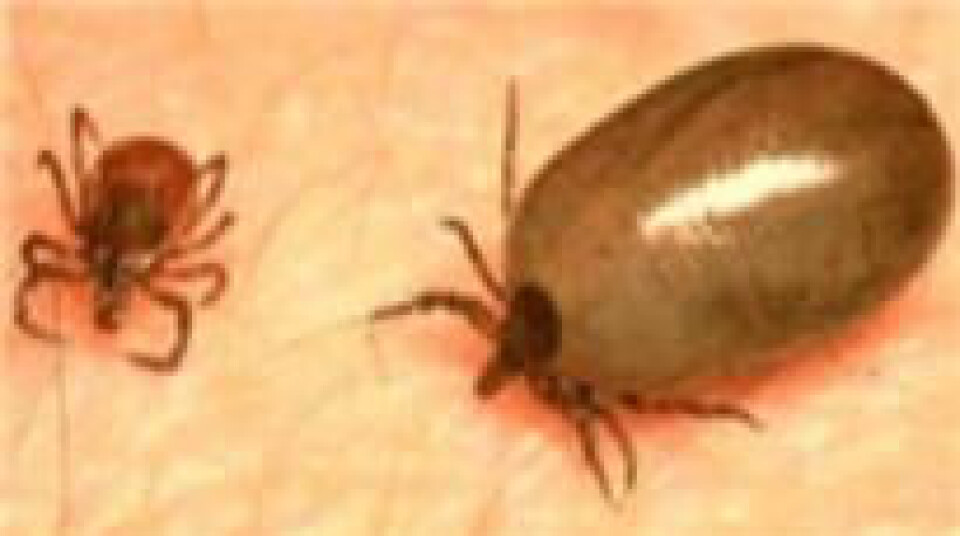
Since the first confirmed case in Korea in 2013, a total of 2,065 SFTS patients have been reported through last year, with 381 deaths. The fatality rate stands at 18.5 percent. There is no vaccine or specific treatment, so prevention is the most effective strategy.
To avoid tick bites, health authorities advise against sitting or lying down on the grass for more than 30 minutes and recommend staying away from areas with tall grass. People engaging in outdoor activities should wear long-sleeved shirts and pants. After returning indoors, showering and carefully checking the body for ticks is advised.
If a tick is found attached to the skin, visiting a medical facility for safe removal is recommended, as improper handling could increase the risk of secondary infection.

Translated from the JoongAng Ilbo using generative AI and edited by Korea JoongAng Daily staff.
BY LEE HAY-JUNE [lim.jeongwon@joongang.co.kr]


